Many people who use transparent tape often find that it breaks easily when pulled during use. This significantly reduces the efficiency of packing and sealing boxes. While the tendency for tape to break requires a comprehensive analysis, the core causes are factors such as the thickness of the base material, the manufacturing process, and storage conditions.
I. The primary cause of brittleness is that the film substrate is too thin.
The toughness of transparent adhesive tape primarily depends on the BOPP film substrate. Many low-quality tapes on the market use ultra-thin 25–30μm film, which is highly brittle and has extremely poor tensile strength. Industry test data shows that 30-micrometer-thick tape has a tensile strength of only 12 N and is highly prone to brittle fracture when pulled, whereas 45-micrometer-thick tape can achieve a tensile strength of 28 N, offering more than double the toughness.
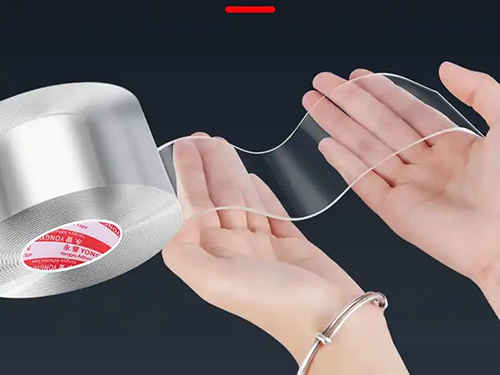
Many low-cost tapes are intentionally made with a thinner film layer and a thinner adhesive layer. While this makes the tape appear longer, it actually results in insufficient load-bearing capacity. According to feedback from numerous actual users, using thin tape when packing heavy items often leads to tears and breaks, resulting in a rework rate as high as 35%, which significantly reduces shipping efficiency.
II. Hidden Fracture Hazards Caused by Manufacturing Defects
The tape slitting and cutting process directly affects overall toughness; cutting with old, worn circular blades can cause fine burrs and cutting defects along the tape edges. In some slitting machines, when sealing the master roll, prolonged accumulation of adhesive residue on the cutting blades can, over time, cause the blades to puncture the sides of the tape, making it prone to breakage.
According to statistics from the adhesive tape manufacturing industry, the probability of breakage in defective tape cut with a dull blade is 40% higher than that of undamaged tape cut with a precision flat blade. To cut costs, many small workshops fail to replace their blades in a timely manner, resulting in large quantities of tape that are prone to breaking.
III. Aging and Improper Storage Exacerbate Tape Brittleness and Breakage
Prolonged exposure to direct sunlight and hot, humid environments can accelerate the aging of BOPP film, causing the tape material to become hard and brittle. Field tests have shown that when tape is stored in temperatures above 35°C for more than six months, the base material’s toughness decreases by 30%, and the likelihood of it tearing when pulled by hand increases significantly.
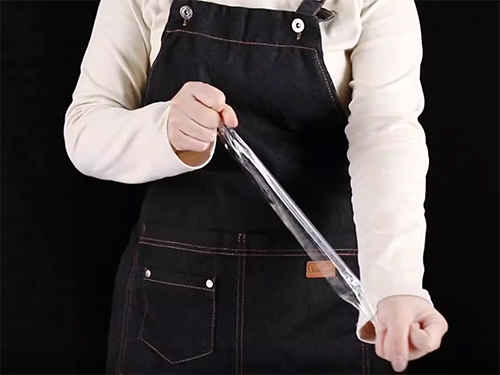
At the same time, poor-quality paper cores and prolonged storage under heavy pressure can cause the tape to deform under stress and create tension between the layers. If stored improperly, the tape is prone to being scratched by sharp metal objects or other items, which can also cause it to break easily when pulled.
IV. Tips for Choosing Tear-Resistant Tape
Prioritize standard heavy-duty tape with a base material thickness of 40–45 μm, and avoid ultra-thin, low-cost options thinner than 30 μm. For everyday household use and e-commerce packaging, the 45 μm specification is recommended; field tests show it can withstand routine hand-tearing and stretching, with a breakage rate of less than 5%.
Gently pull on the edge of the tape. High-quality tape pulls smoothly and has clean, smooth edges, while low-quality tape breaks with even slight force and has rough edges. You can also gently squeeze the paper core; tape with a thick, sturdy paper core is typically produced using more standardized manufacturing processes and generally has better tensile strength than tape with a soft, flimsy, low-quality paper core.
V. Simple Maintenance Practices to Reduce Breakage Issues
For routine storage, keep the product in a cool, dry place at 15–25°C. Avoid direct sunlight and high temperatures to slow down the aging and brittleness of the base material. After opening, store the tape in an airtight container to maintain its original flexibility over the long term and prevent breakage caused by natural aging.
When tearing the tape by hand, apply force at a steady pace and avoid sudden, sharp tugs to minimize the risk of breakage caused by excessive localized stress. Simple adjustments to your usage habits can further reduce the likelihood of breakage in high-quality tape.
Summary
The main reasons why transparent tape breaks easily are four key issues: a base material that’s too thin, manufacturing defects, material degradation, and improper storage. There’s no need to blindly opt for thicker tape; simply focus on the base material thickness and manufacturing process to avoid these pitfalls. By choosing the right specifications and storing the tape properly, you can completely eliminate the frustration of tape breaking when torn by hand and the need to redo your packing.
relative product infomation
- Does thicker transparent tape really stick better than thinner tape?
- Why do rolls of transparent tape of the same size have different actual lengths?
- Why does transparent tape tear easily?
- What is the lead time for bulk orders of transparent tape?
- Does transparent tape lose its stickiness if it's left sitting for a long time?