Many large companies typically stock up on transparent tape in their warehouses for daily use in sealing shipping boxes, but most warehouse managers are unaware that packing tape has a shelf life. In fact, packing tape will inevitably lose its adhesive strength over time; however, the rate and extent of this decline vary significantly depending on the product’s quality and storage conditions.
I. The Core Principle Behind Adhesive Tape Losing Its Stickiness Over Time
The adhesive properties of transparent tape come from the pressure-sensitive adhesive on its surface. The two main types available on the market are hot-melt adhesive and water-based acrylic adhesive. During long-term storage, the macromolecular polymers within the adhesive gradually oxidize and break down, causing the originally soft and viscous adhesive layer to gradually dry out and harden.
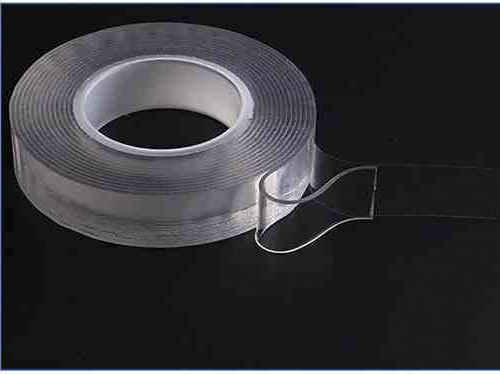
When the adhesive layer loses its cohesion and adhesion, the tape can no longer adhere tightly to the surface of an object; even if it appears unchanged, its holding power will decrease significantly. This is also the root cause of why many old, unopened rolls of tape tend to curl at the edges and peel off after being applied.
II. Differences in the Rate of Adhesive Loss Among Tapes Made of Different Materials
Low-cost, standard transparent adhesive tape typically uses hot-melt adhesive, which has poor stability and loses its adhesive strength quickly as it ages. After being stored at room temperature for 6 to 12 months, this type of tape will show a noticeable decline in adhesive strength, and it will essentially lose its usability after long-term storage.
High-quality industrial-grade transparent tape uses acrylic adhesive, which is chemically stable and offers superior resistance to oxidation and aging. When stored under normal conditions, this type of tape can maintain stable adhesion for 18 to 24 months, and its adhesive strength declines much more slowly than that of ordinary rubber-based tape.
III. Key Environmental Factors That Accelerate the Loss of Adhesion in Adhesive Tapes
Exposure to light is a major factor contributing to the loss of adhesive properties in tape. Ultraviolet rays in natural light and indoor lighting continuously break down the molecular structure of the adhesive layer. Tape left in light-exposed areas—such as near windows or on balconies—for extended periods will lose its adhesive properties at an exponentially faster rate.
Hot and humid environments are equally harmful; when temperatures exceed 30°C and humidity exceeds 70%, the adhesive will oxidize more quickly and deteriorate due to moisture. Hot and humid areas such as garages, warehouses, and kitchens are extremely unsuitable for long-term storage of transparent tape.
IV. The Effect of Storage Conditions on Viscosity
Whether the tape is stored in a sealed container directly determines its shelf life. Once opened, exposed tape remains in constant contact with the air, which accelerates aging and causes it to lose its adhesive properties. Tape that is kept in its original, sealed packaging throughout its storage period will retain its adhesive properties far better than tape stored in an open container.
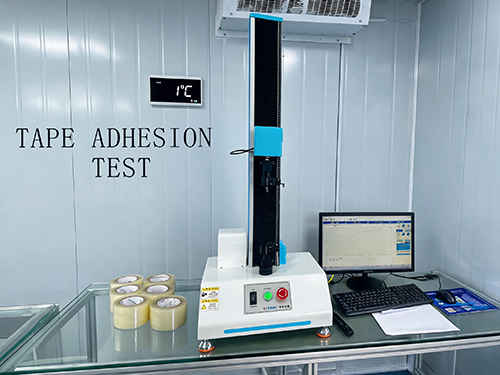
At the same time, the way the tape is stored and arranged also has an impact; prolonged heavy pressure or being laid flat and compressed can damage the adhesive layer’s structure, leading to uneven adhesion in certain areas and causing some sections to not stick properly during use.
V. Store Properly to Slow the Loss of Stickiness
To maximize the adhesive strength of the tape, store it in a cool, dry, and dark indoor environment. The ideal conditions are a temperature between 15 and 25°C and a humidity level below 60%. When stockpiling tape, it is recommended to follow the first-in, first-out principle and use the tape that has been stored the longest first.
When purchasing tape in bulk, do not open all the packages at once. Open only what you need as you go, and keep the remaining tape sealed. Proper storage can effectively slow down the aging process and loss of adhesive strength, significantly extending the tape’s service life and improving its cost-effectiveness.
VI. Conclusion: Adhesive tape does not have a permanent shelf life
In summary, transparent adhesive tape does not retain its adhesive strength permanently; its adhesive strength will inevitably diminish over time, though the rate at which this occurs depends on the tape’s quality and storage conditions. Low-cost tape is prone to aging and losing its adhesive strength, while high-quality tape is more durable; however, both require proper storage and care.
In everyday use, try to avoid stockpiling large amounts of tape and keep it away from direct sunlight, high temperatures, and humid environments. This will help preserve the tape’s adhesive properties as much as possible and prevent waste from leaving it unused.
relative product infomation
- Does transparent tape lose its stickiness if it's left sitting for a long time?
- Will Transparent Tape Turn Yellow and Lose Stickiness Over Time?
- Is it possible that the length of transparent tape is mislabeled?
- Does Temperature Affect Transparent Adhesive Tape Adhesion?