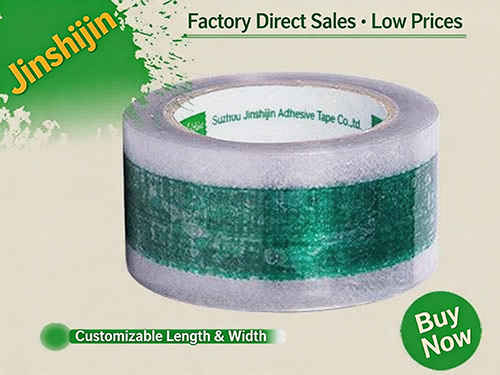
Many consumers encounter a puzzling situation when purchasing transparent tape: two rolls labeled with the same width may appear to have similar outer diameters, but the one that looks thicker and fuller actually contains fewer meters of tape. This is not a visual illusion, but a common industry practice designed to shortchange customers. Merchants use tactics such as adjusting the paper core, film thickness, and winding process to create the “illusion of a larger roll,” resulting in rolls of the same width that appear larger on the outside but contain less tape on the inside.
I. Using thick paper tubes is a common tactic for false labeling
The standard diameter of paper cores for conventional adhesive tape on the market is 76 mm, whereas low-priced products with misleading labeling often increase the core diameter to 82 mm or even larger, thereby artificially inflating the overall roll diameter. When the total outer diameter of the tape roll remains the same, the thicker the core, the fewer meters of tape can be wound inside, resulting in a significant reduction in the effective length.
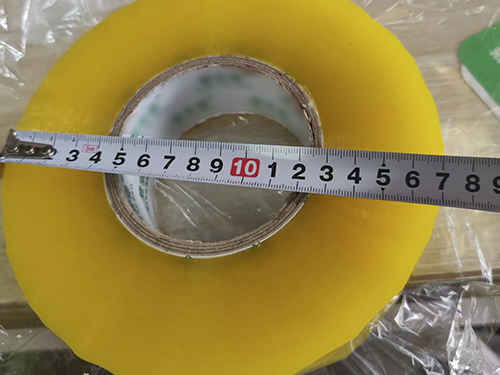
Industry test data shows that for the same model of transparent tape with a rated length of 100 meters and a width of 48 mm, the version with a thicker paper core (approximately 2 mm) contains 15% to 20% fewer meters than the version with a standard paper core. Many users have found through their own tests that tape with a thicker paper core—which appears larger—actually contains only about 80 meters, indicating a significant shortfall in length.
2. The film substrate has become thicker, resulting in a visual increase in the thickness of the roll.
The length of transparent tape is determined by the thickness of the film material and the number of layers. Standard full-meter tapes typically use 23–30 μm thick film, which is made with high-quality materials and has a moderate number of layers. Some tapes that are actually shorter in length increase the film thickness by using 28–45 μm thick film, resulting in a significant increase in the thickness of a single layer.

Extra-thin film can result in fewer layers when wound onto a roll; although the rolls may appear to be roughly the same size, the total length is actually shorter. Actual tests have shown that large rolls of ultra-thin tape labeled as 200 meters in length actually contain only 130–150 meters of usable tape. While this type of transparent tape may seem like a good value, it is, in fact, significantly short-weighted.
III. The Loose-Winding Technique Creates a False Sense of Fullness
Reputable manufacturers of transparent tape use high-tension, tightly wound tape, ensuring that each layer adheres closely to the next without any excess gaps. In contrast, tape produced by low-cost, small-scale workshops is loosely wound, with large gaps and numerous voids between the layers, in an attempt to artificially increase the roll diameter.
According to testing data from the packaging industry, loosely wound rolls of tape can increase in volume by about 10 percent, but the actual length decreases by more than 12 percent. Many users have reported that this type of loosely wound transparent tape not only falls short in length but also suffers from issues such as roll deformation and film misalignment after storage.
IV. Confusing “codes” with “meters” to Deliberately Mislead Consumers
Some merchants exploit gaps in consumer understanding by using “yards” instead of “meters” to label product specifications, deliberately obscuring the measurements. One yard is approximately equal to 0.9144 meters; while the yard measurement appears larger, the actual length is shorter than that indicated in meters.
A common marketing tactic involves labeling a roll as 300 yards of transparent tape, when in reality it measures only about 274 meters—a shortfall of 26 meters. Many users focus solely on the numerical value and overlook the difference in units, mistakenly believing that a larger roll or a higher numerical value means there is plenty of tape.
V. A Simple Method for Quickly Identifying Genuine Rice Tape
When shopping, don’t just look at the size of the roll; prioritize checking the paper core diameter, film thickness, and accurate meterage labeling. Adhesive tape with a standard 76mm paper core and a film thickness of 40μm or more tends to have more accurate meterage and virtually no issues with mislabeling.
For bulk purchases, the weight verification method can be used. Adhesive tape of the same specification and full length should have a consistent and stable weight; large rolls that are lighter than expected are likely to have a shorter length than stated. Only by consistently selecting standard products with the full length specified can you truly reduce packaging material costs.
Summary
Tape of the same width often appears longer on the outside but shorter on the inside. The key factors behind this are four common industry tricks: thicker paper cores, thicker film material, loose winding, and misleading unit measurements. The size of the roll should not be used as a standard for determining the length in meters; relying solely on appearance when making a purchase can easily lead to disappointment.
Set aside visual misconceptions; focus on standard specifications and verify them through actual testing to avoid the trap of misleading labels and ensure you buy transparent tape that truly offers great value for money and comes in the correct quantity.
relative product infomation
- Does thicker transparent tape really stick better than thinner tape?
- Why do rolls of transparent tape of the same size have different actual lengths?
- Why does transparent tape tear easily?
- What is the lead time for bulk orders of transparent tape?
- Does transparent tape lose its stickiness if it's left sitting for a long time?